
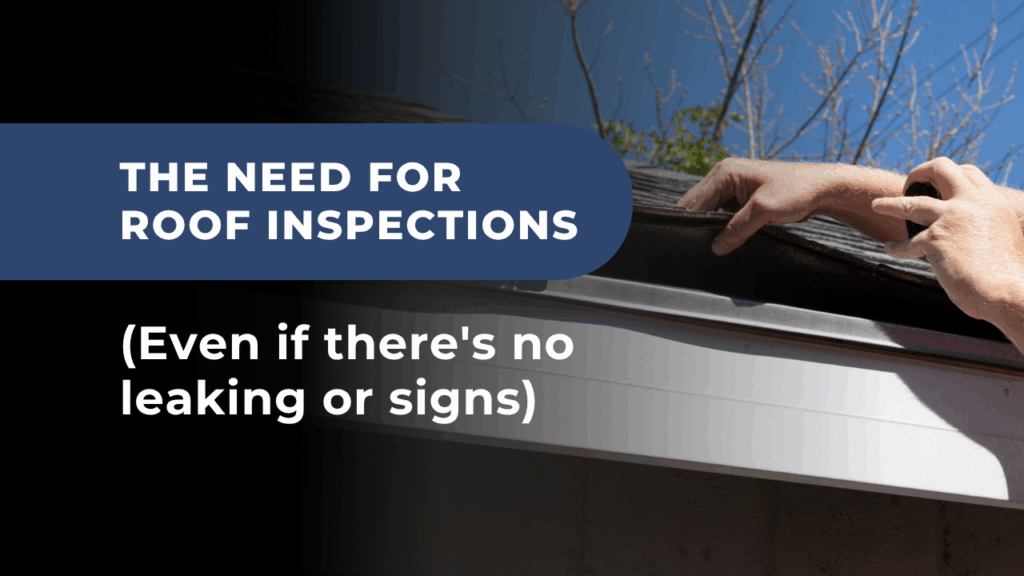
Why roof inspections are important even when there’s no obvious damage.
Your roof might look fine from the driveway. No missing shingles. No dripping in the attic. However, in southern Ontario, the real damage often begins long before any of that becomes apparent.
Small vulnerabilities, such as a lifted shingle, a cracked flashing seal, or a blocked drainage path, can quietly build up to major repairs. That’s why even if you’re not planning a full new roof installation, an inspection is still worth your time.
Homeowners and property managers alike often wait for a clear sign before calling for help. But by the time water shows up inside, it’s already passed through layers of roofing, insulation, and structural support. That’s why proactive inspections, and understanding why roof inspections are important, makes a real difference before damage shows up.
“We figured we were fine. No leaks, no stains. Then spring hit, and we found damp insulation under the roofline.”
We see it every season in Hamilton, Binbrook, Ancaster, and Stoney Creek: roofs stressed by storms, worn down by thawing cycles, or degraded by sun exposure that looked “fine” just weeks before. That’s the hidden cost of skipping preventative roof maintenance.
What You Don’t See Can Still Cause Damage
Most serious roofing issues start invisibly. The signs aren’t dramatic until they are.
Here are just a few issues we often find during a routine inspection:
- Loose or curling shingles that compromise wind resistance
- Clogged valleys or drainage channels that lead to water pooling
- Worn or detached flashing around vents and chimneys
- Insulation that’s been compromised by slow, hidden moisture seepage
Over time, these “minor” issues create major headaches: rot in roof decking, mould in attic spaces, or internal leaks that trigger costly drywall and flooring repairs. The earlier they’re caught, the easier and cheaper they are to address.
Think of it like vehicle maintenance. You don’t wait until your brakes fail before checking them. A regular inspection provides an opportunity to address problems early, before they impact comfort, insulation, or the roofing warranty associated with your materials.
What You Gain from a Roof Inspection
- Clear understanding of the current roof condition
- Confidence that your roof can handle heavy weather
- Documentation for resale or insurance
- Better timing for upgrades (not emergencies), which is exactly why roof inspections are important before winter hits or your house hits the market
What A Professional Roof Inspection Checks
A proper roof inspection is more than a glance from the sidewalk. It involves a structured walk-through of both exterior and attic components, and it often includes a written summary of the findings. This inspection report helps you prioritize repairs or improvements.
- Shingles and surface materials (damage, aging, misalignment)
- Flashing around vents, skylights, and chimneys
- Eavestroughs, soffit, and fascia for water flow and debris buildup
- Attic ventilation and insulation conditions
- Signs of animal intrusion or blocked vents
- Underlayment condition and any early signs of mould or rot
Why attic and ventilation inspections matter
Some of the most serious roofing issues don’t appear on the roof surface at all. They’re hidden just underneath, in the attic or ventilation system.
Poor airflow can lead to heat buildup, which causes shingles to age prematurely. In winter, it contributes to condensation that leads to mould or ice damming. Blocked soffit vents or patchy insulation may be signs that something’s not functioning properly.

A professional roof inspection will spot these issues early, reminding you why roof inspections are important, even if everything looks fine from the curb.
It’s especially smart to book an inspection:
- After a major wind or ice storm
- In the spring, to catch winter damage
- In the fall, to prep for the snow load
- Before listing your home for sale
Why People Delay Roof Inspections
It’s easy to delay roof inspections, especially when everything seems quiet from the outside. However, the most common hesitations often stem from assumptions that do not align with real-world roof performance.
“If it’s not leaking, it must be fine.”
In reality, leaks are usually the final symptom, not the first. By the time water is visible, the damage is already done.
“We just had it replaced a few years ago.”
Even new roofs benefit from routine checks. Strong winds, wildlife, or small installation issues can create weak points early on.
“I don’t want to get sold on something I don’t need.”
That’s a fair concern. Gateway doesn’t upsell. We scope what needs attention and explain why. If it’s okay, we’ll let you know. And if you’re wondering what types of roofing materials are best for you, we’ll walk through the options based on what we see up top, not what’s trending.
Southern Ontario Roof Realities: Freeze-Thaw, Storm Stress, And Wind
Our region isn’t easy on exteriors. Here’s what we typically see around Hamilton:
- Freeze-thaw cycles that cause ice damming and lift shingles
- Heavy snow loads that strain structural joints
- Wind uplift from strong winter gusts, especially on older roofs
- Spring melt runoff overwhelms eavestroughs if they’re partially blocked
We’ve walked roofs where the damage wasn’t visible until we reached the tree line: a clear case of why roof inspections are important, even when things seem normal. It’s also a reminder that roof damage without leaks is more common than most people think.
When Selling a Home, Inspections Make a Difference
If you’re planning to list your home, a roof inspection can be a smart pre-sale step. It gives you:
- Documentation for disclosures
- A heads-up on any red flags a buyer’s home inspector might raise
- A chance to complete low-cost fixes before they affect your asking price
Even if no work is needed, the inspection gives buyers more confidence and may help avoid negotiations stalling over last-minute surprises. According to the Government of Canada, a thorough home inspection helps protect both buyers and sellers from unpleasant surprises or disputes during the closing process. Read the government’s full guidance on home inspections here.
What To Do Next & Why Roof Inspections Are Important
Having your roof inspected doesn’t mean you’re committing to a repair. It means you’re making informed decisions.
A single project lead handles gateway inspections. We walk the site, check the conditions, and explain what we see in plain terms. If there’s nothing to worry about, great. If there’s a minor concern, we’ll help you weigh your options without pushing unnecessary work.
Book an inspection today, and we’ll help you stay ahead of the weather.
Explore More About Roof Maintenance And Upgrades
Looking to understand when a replacement might make more sense? Check out our related post on the cost of delaying a roof replacement.
Knowing what your roof is doing now can help avoid bigger decisions later. And if you’re not sure whether it’s time to act, here’s how to tell if it’s time to replace your roof. An inspection today could save you from a stressful leak next spring.
Most professional inspections fall in the $200–$400 range, which is a small price to pay compared to the cost of mould remediation, drywall repairs, or a rushed replacement during bad weather. A seasonal roof checkup can be one of the simplest ways to stay ahead.
Before you call, take these three photos:
- Your roof from the front curb
- Inside your attic near the roofline
- A close-up of any spots where shingles look discoloured or misaligned
What To Know Before You Book A Roof Inspection
Do I need a roof inspection if there’s no damage after a storm?
Yes. Some storm damage, like lifted flashing or shingle bruising, isn’t obvious from the ground but can reduce your roof’s life expectancy.
How often should I book a roof inspection?
We recommend conducting roof inspections once a year for most homes, as part of understanding why roof inspections are important is knowing how small issues can build up unnoticed. For newer roofs, every 2–3 years may be sufficient, unless there’s been storm activity.
Is there a best time of year for roof inspections?
Spring and fall are ideal. In spring, you catch winter damage early. In fall, you prep for heavy snow and ice. That said, if you suspect an issue, don’t wait; inspections can be done year-round.
What if I’ve already had repairs done this year?
It’s still a good idea to inspect the full system. Patchwork repairs can miss adjacent areas under stress, and an unbiased inspection ensures everything is holding up properly.