
Your roof is your home’s first line of defense — but without a proper drainage system, even the best roof can’t protect your home from water damage.
That’s where eavestroughs, downspouts, fascia, and soffits come together to move water safely away from your home.
In Ontario’s climate — heavy rain, snowmelt, and freeze–thaw cycles — a well-designed eavestrough system is essential.
Here’s how it works, why it matters, and how to tell when something’s wrong.
1. What Eavestroughs Do (and Why They Matter)
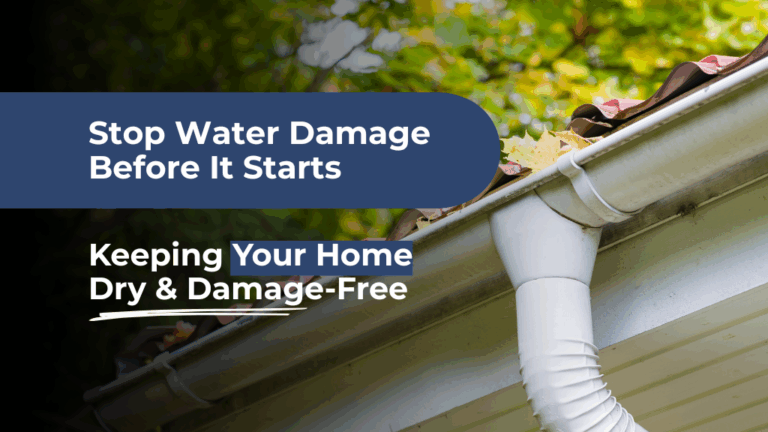
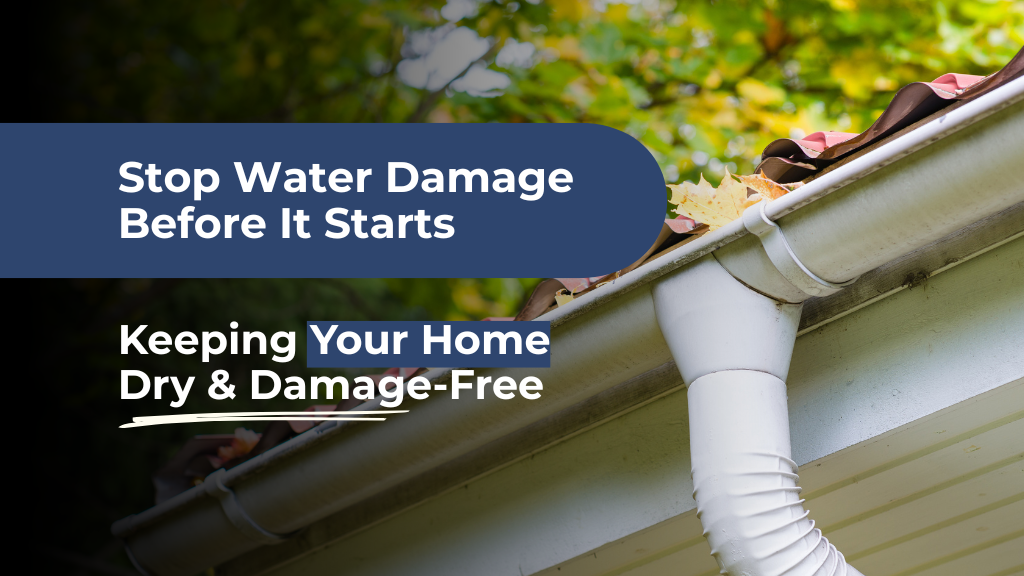
Eavestroughs, commonly called gutters, collect water running off your roof and direct it safely away through downspouts.
When they work properly, they protect your home from:
- Basement flooding
- Foundation cracks
- Soil erosion
- Rotting fascia and soffits
- Landscape damage
- Roof leaks caused by pooling water
Without proper drainage, water doesn’t just drip where it shouldn’t — it slowly erodes your home’s structure.
2. The Connection Between Your Roof and Eavestroughs
Your roof and eavestrough system rely on each other:
- The roof sheds water.
- The eavestroughs move it away.
- The downspouts carry it safely to the ground.
- The grade and extensions ensure it drains away from your foundation.
If one part fails — the whole drainage chain breaks.
For example:
A loose piece of fascia may cause a gutter to sag… which causes water to overflow… which leads to soil saturation and foundation cracking.
It’s all connected.
3. Signs Your Eavestroughs Aren’t Working Properly
Watch for these common warning signs:
- Overflowing water during rain
- Water pooling around your foundation
- Cracks in basement walls
- Sagging or pulling-away gutters
- Rotting fascia or soffits
- Ice buildup at the roofline
- Soil erosion or damaged landscaping
- Peeling exterior paint near the roofline
Most homeowners assume these indicate roofing issues — but often the real cause is poor drainage.
Helpful Post:
How to Read a Roofing Quote & What to Watch For
4. How Ontario Weather Impacts Roof Drainage
Southern Ontario has one of the most challenging climates for home exteriors.
Heavy rainfall, snowmelt, and constant freeze–thaw cycles are hard on eavestrough systems.
Here’s what can happen:
- Ice dams from trapped water
- Expansion/contraction that warps gutters
- Downspout blockages
- Roof edge leaks
- Overflow causing foundation heaving
Good drainage isn’t optional — it’s essential for year-round protection.
5. How to Improve Roof Drainage
If your home has drainage issues, here’s what can help:
Keep eavestroughs clear
Clogs are the #1 cause of overflow and ice damming.
Add gutter guards
They reduce debris buildup and extend the life of your system.
Ensure proper slope
Eavestroughs need a slight angle to move water efficiently.
Extend downspouts
Aim for at least 6 feet away from your foundation.
Replace failing fascia or soffits
These components support your gutters and allow ventilation.
Upgrade your drainage system during a roof replacement
Roof + eavestrough upgrades together give the best long-term performance.
You might also like:
Roof Inspections in Ontario: Why They’re Worth It
Final Thoughts
A roof can only protect your home if your drainage system supports it.
Proper eavestroughs prevent costly water damage — from leaks and rot to basement flooding and structural issues.
If you’re noticing overflow, sagging gutters, or signs of water near your foundation, Gateway Exteriors can help.
Our team installs and repairs eavestroughs, soffits, fascia, and roofing systems that work together to protect your home year-round.
Additional Resources
- Roofing Canada – Eavestrough and Drainage Basics
(Overview of how roof systems and drainage work together.) - Homeowners Guide to Water Damage Prevention – Canada
(Government of Canada resource on preventing water damage around your home.) - Roofmart Canada – Downspout & Drainage Tips
(Guidance on proper airflow and drainage considerations.)