
How to tell if you need a new roof: What most people get wrong
It’s easy to assume that if your roof isn’t leaking, it’s still doing its job. But roofing issues often start quietly under the shingles, behind the flashing, or in the attic.
By the time water shows up inside, the damage is already done. A patch might hold for a while, but it rarely addresses the full picture. In Southern Ontario, where snow, rain, and freeze-thaw cycles work against your roof year-round, waiting can cost more in the long run. You’re not alone, over 7% of Canadian households currently need major repairs, including roofing, according to Statistics Canada. That’s nearly one in fourteen homes dealing with big exterior issues.
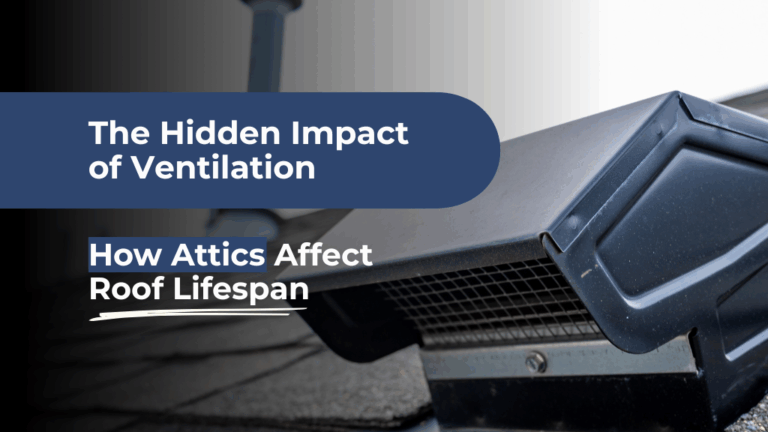
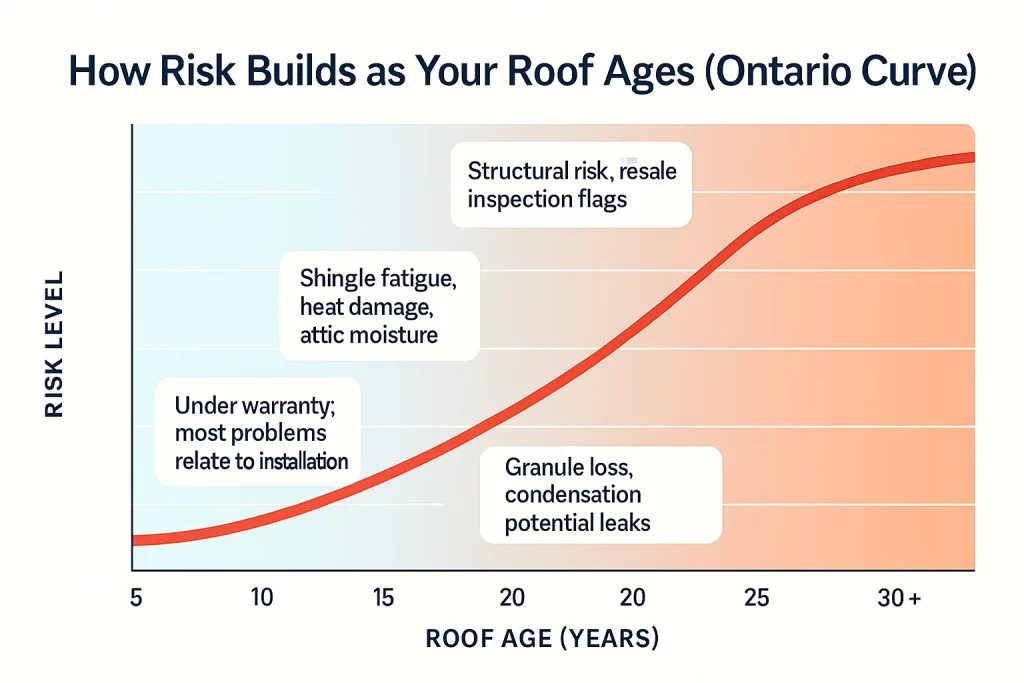
Roofs age gradually. And one of the trickiest parts of learning how to tell if you need a new roof is spotting the damage before it becomes obvious. Shingles break down from UV exposure, strong winds, and years of seasonal expansion and contraction. Poor attic ventilation can accelerate this process by trapping heat and moisture, weakening fasteners, warping wood, and creating the conditions for mould.
Even a roof that looks fine from the curb may be struggling below the surface. Asphalt shingles typically last 15–30 years, while materials like metal or slate can extend up to 75 years. That’s why a roof over 20 years old deserves a closer look, even if it isn’t leaking yet.
Signs you need a new roof: What to look for outside and in
Some red flags are easy to spot. Others are tucked away or easily dismissed. Here are a few indicators it may be time to look closer:
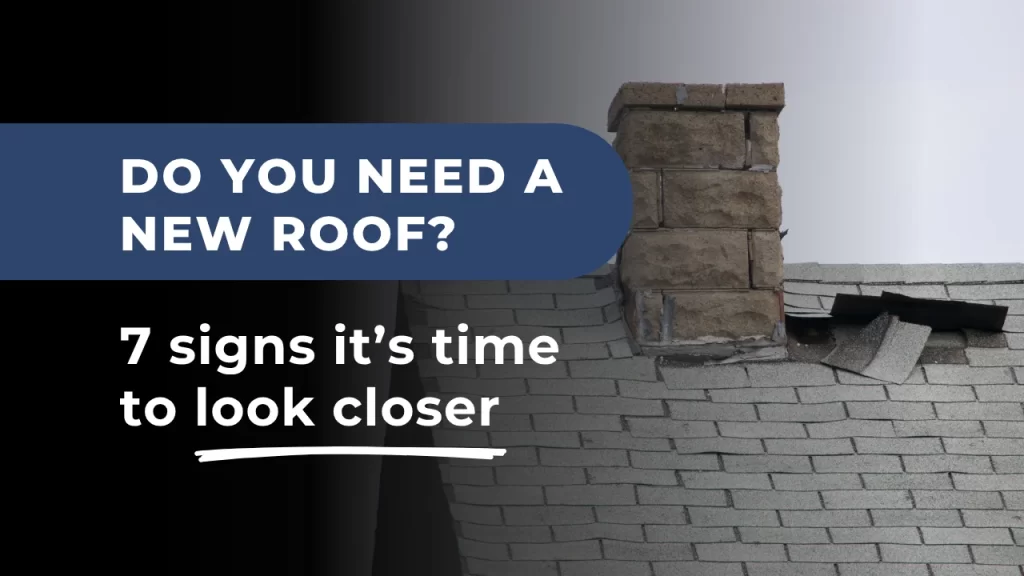
- Curling or cracked shingles: Especially near edges, vents, or valleys. These are signs that the shingles have dried out and lost their ability to deflect water.
- Missing shingles: After a storm or high winds. Even one missing piece can open the door for leaks and rot.
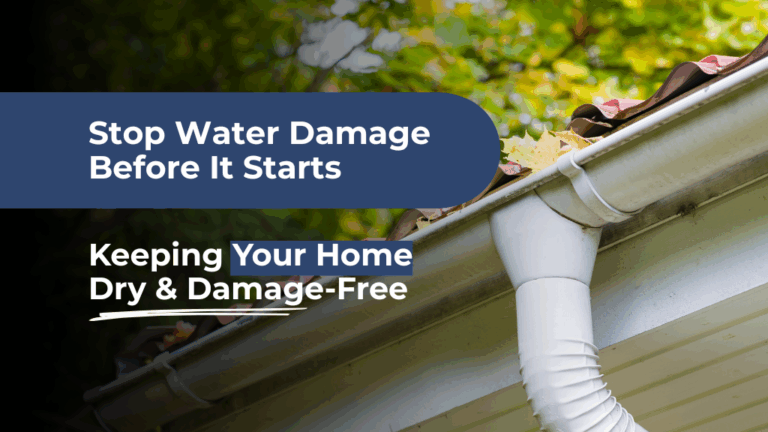
- Granules in gutters: A sign your shingles are breaking down. Granules protect shingles from UV and weather damage. Without them, materials fail faster.
- Interior stains or moisture: Water marks on ceilings or attic insulation often indicate long-standing seepage.
- Musty smells or poor airflow in the attic: Could indicate hidden leaks or insufficient ventilation. Damp insulation can lead to mould.
- Recurring ice dams: Often tied to poor ventilation or failing materials. These block proper drainage and force water under the shingles.
- Age: If your roof is 15–20 years old, even without major issues, it may be reaching the end of its lifespan. Shingles don’t always fail visibly. Learning how to tell if you need a new roof means knowing where to look and when not to trust the surface.
What people often miss during a casual walkthrough:
- Lifting around flashing or vents
- Soft spots underfoot in the attic
- Loose drip edges or gaps around chimneys
How to tell if you need a new roof and what to check
You don’t need to climb on the roof to spot trouble. Here’s how to do a basic check without risking your safety:
- Walk the property: Look for lifted or curling edges, visible sagging, or missing materials from ground level
- Zoom in: Use your phone’s camera or binoculars to check for granule loss or shingle damage
- Check the attic: Look for moisture, poor airflow, and light coming through the roof boards
- Monitor your eavestroughs: Overflow or pooling around the foundation may signal roof drainage issues
Pro tip: Take photos of any issues you notice and keep them in a folder. If things worsen or you need to consult a roofer, you’ll have helpful documentation.
Think seasonally, too. In fall, check for debris buildup and proper drainage before snow hits. If you’ve ever found yourself Googling how to check for roof damage after a windstorm or heavy snowfall, you’re not alone. In spring, look for staining or runoff issues after thaw. If anything looks off, or if you’re not sure what you’re seeing, it’s worth getting a professional opinion. Even the best DIY scan can’t catch everything a pro would spot while walking through a full roof inspection checklist. At Gateway, our roofing assessments focus on giving you a clear picture.
Common myths and mistakes homeowners make
- “If it’s not leaking, it’s fine”: Leaks are often the last symptom, not the first. Water can pool or travel far from the original entry point before showing up.
- “I can patch it and get five more years”: Temporary fixes can hide bigger problems. Underlayment may be failing, or water could be trapped inside materials.
- “Those shingles just look old, not damaged”: Visual wear often signals deeper material breakdown. Loss of flexibility, granule erosion, and warping weaken performance.
- Hiring the lowest bidder: Cheap jobs often skip code requirements, proper ventilation, or flashing which leads to more issues later.
How Gateway handles it differently:
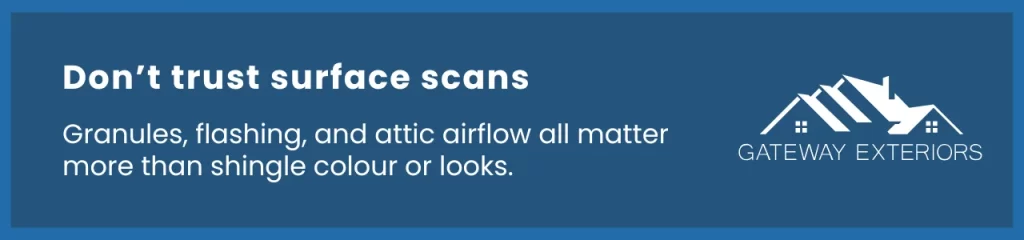
- We inspect the attic and roof system, not just the surface
- We scope what’s actually needed and explain it clearly
- We only recommend replacement when repair won’t work

When to replace a roof in Ontario: Hamilton-specific triggers
Southern Ontario weather isn’t kind to underperforming roofs. Here’s what to keep in mind if you live in Hamilton, Binbrook, or surrounding areas:
- Heavy snowfall can expose structural issues and cause sagging or collapse
- Ice dams form when poor insulation traps heat in the attic, melting snow unevenly
- Spring runoff often reveals problems with drainage or flashing. It’s one of the sneakier ways you’ll realize how to tell if you need a new roof in our climate
- Selling your home? A flagged roof in an inspection can delay deals or force price negotiations
If you’re unsure whether it’s time to replace or just repair, the season, and the stakes, might help you decide. If you’re not sure whether it’s the right time to replace your roof, this guide lays it out clearly, especially for older homes in our region.
Your roof inspection checklist: What to do next if you’re unsure
It doesn’t take much to get a good idea of what’s up. A professional roofing inspection should include:
- Photos of any visible wear or risks
- Notes on ventilation, attic condition, and drainage
- Clear scope of what’s needed and why
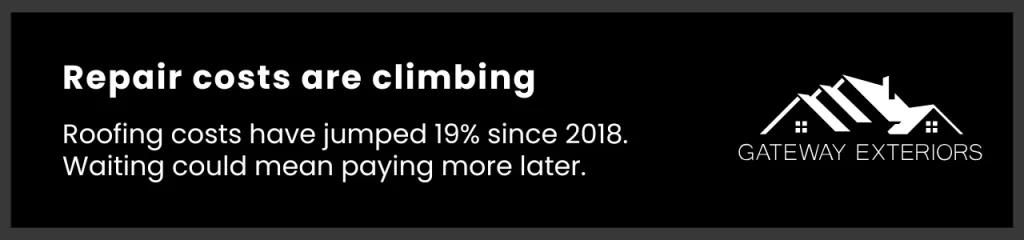
We don’t push upgrades. If your roof still has a few years left, we’ll say so. If it’s time to act, we’ll walk you through what that involves. And here’s a number that stings a bit: Statistics Canada reports that renovation costs, including shingles and labour, have jumped over 19% since 2018. Waiting too long could mean paying more for the same work later.
Before you book:
- Take note of any rooms with stains or smells
- Photograph the roof from multiple angles
- Make a list of previous roof work or storm events
Do I need to replace my roof? Questions worth asking before you decide
Can I replace just one section of my roof?
Sometimes, but not always. If the rest of the system is aging or compromised, the patch may not last, and it may void the warranty.
Will insurance cover a new roof?
If the damage is storm-related and properly documented, it might. Wear and tear usually isn’t covered.
Is it worth replacing the roof if I plan to sell next year?
Often, yes. A new roof can strengthen your listing, reduce inspection friction, and boost perceived value. Curious what goes into the numbers? This quick breakdown of roof replacement cost in Ontario will give you a clear starting point.
How to tell if you need a new roof often comes down to asking the right questions early. If something feels off, you’re probably not wrong to get it checked.
Explore next steps with confidence
Spotting roofing issues early can prevent a cascade of more expensive problems. Think, everything from insulation damage to foundation risks. Knowing how to tell if you need a new roof before things spiral can save serious time, stress, and money. Explore our roofing services in Hamilton to learn what a proper replacement involves.